What happens to the restaurant industry when guests start eating less? As GLP-1 medications shape appetites and dining habits, restaurant operators face new questions about what consumers expect from their meals.
A recent William Blair survey of 300 GLP-1 users found that 67% reported eating more fruits and vegetables, while 60% said they were eating more salads and bowls. While the findings reflect a specific group of consumers, they offer insight into how dining preferences are shifting.
For healthy fast casual restaurants, the conversation goes beyond medication use. It raises broader questions about what guests value in their meals and how established concepts like Vitality Bowls fit into an evolving restaurant landscape.
Changing Appetites, Changing Restaurant Habits
Food choices aren’t the only consideration. The William Blair survey also found that respondents were changing how frequently they visited restaurants and how much they ate when dining out.
The survey highlighted several changes in dining habits:
Fewer restaurant visits: Respondents reported an average of 4.9 restaurant visits per month, compared with 9.8 previously.
Smaller portions: 71% reported eating smaller portions at restaurants much more frequently.
Different dining incentives: 48% said smaller portion options would encourage them to dine out more often.
These findings suggest that restaurants may need to rethink how they serve guests with changing appetites. Rather than focusing solely on smaller portions, operators should consider how menu flexibility, ingredient quality and nutritional variety meet different dining needs.
A Wellness-Focused Menu Built for Variety
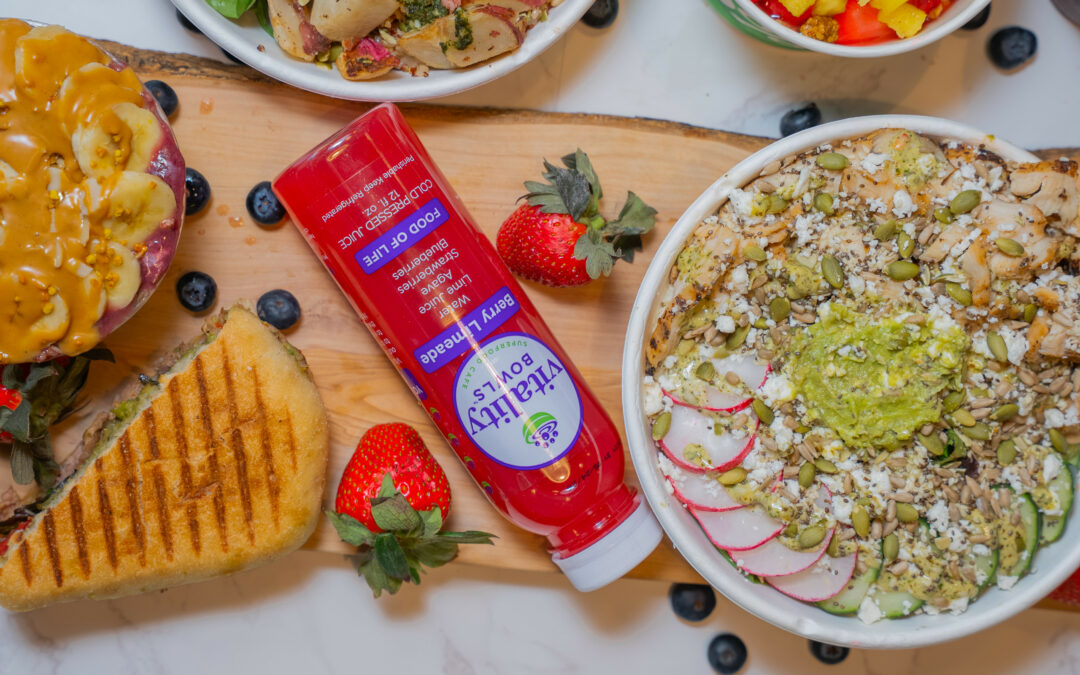
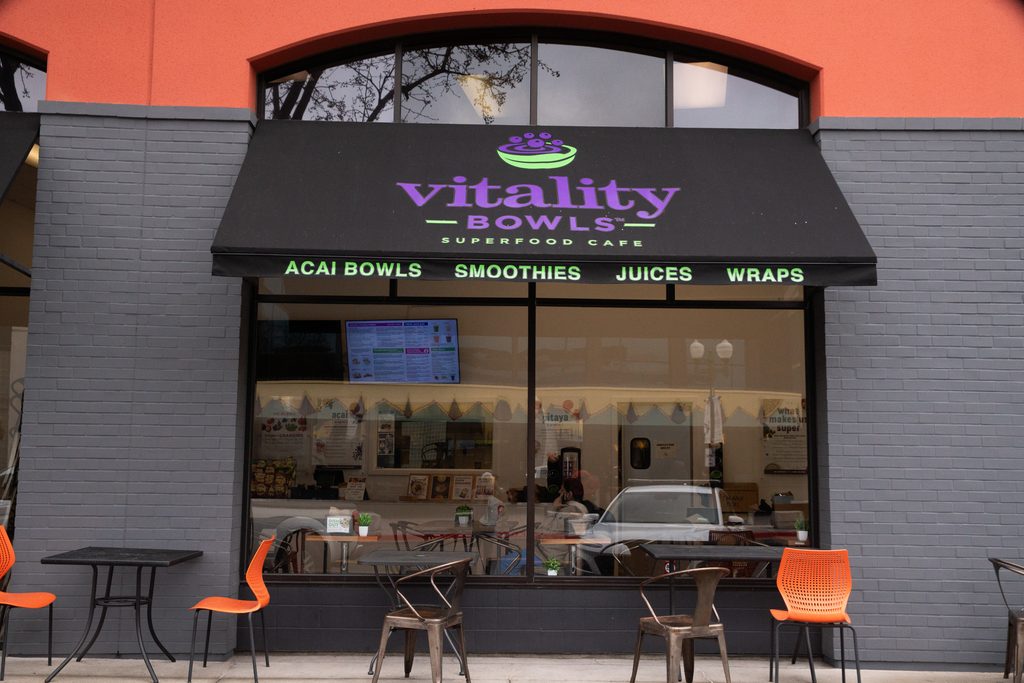
Vitality Bowls has prioritized high-quality ingredients, superfoods and made-to-order meals since opening our first café in 2011. Our menu includes our signature acai bowls with fruit and superfood toppings, along with smoothies and other customizations.
Whether guests prefer a lighter option or a more substantial meal, Vitality Bowls delivers quality ingredients and nutritional value across different portion sizes. Even our smoothies include superfoods and an option to add protein, letting guests prioritize nutrition without needing a larger meal.
These qualities aren’t new additions developed in response to GLP-1 medications. They’ve been part of our approach to nutritious dining since the beginning.
More Dining Options Through Harvest Kitchen
We also expanded our menu through Harvest Kitchen, a separate virtual restaurant brand integrated into our existing cafés that offers guests additional savory choices such as salads, wraps and grain bowls alongside Vitality Bowls’ signature items.
This expansion creates opportunities to serve guests across different dining occasions, including lunch and dinner. It also gives franchise owners another way to reach consumers interested in fresh, nutritious meals.
Because Harvest Kitchen operates through existing café locations, franchisees have the potential to develop an additional revenue stream without opening a separate restaurant. It’s an example of how Vitality Bowls continues to broaden its reach while building on its established approach to wellness-focused dining.
What These Trends Mean for Franchise Investors
Changing consumer habits are an important consideration when evaluating a restaurant franchise. GLP-1 use is one development worth watching, but it’s only part of a much larger picture of how people choose where and what to eat.
Prospective franchise owners should consider how a restaurant concept responds to different customer needs. Menu variety, customization and the ability to serve multiple dining occasions all contribute to the experience a brand offers.
Beyond the menu, Vitality Bowls offers convenient ways for guests to order and stay connected with the brand. Through its mobile app and loyalty program, guests can order ahead for pickup, earn points on purchases and redeem rewards. These features encourage repeat visits and give guests added incentives to return, particularly as restaurant visits become less frequent.
Support behind franchisees is another important consideration. Vitality Bowls provides franchise owners with operational guidance and resources as they build their businesses, reinforcing the importance of evaluating the full franchise opportunity rather than focusing on any single consumer trend.
Looking Ahead
While it’s too early to know the full impact GLP-1 medications will have on restaurant dining, the research does offer another reason for restaurant operators and prospective franchise owners to look closely at changing consumer expectations.
With a longstanding commitment to high-quality ingredients, customizable menus and multiple dining occasions, Vitality Bowls provides franchise investors with an established wellness franchise built around the qualities consumers are seeking from today’s restaurants.
Interested in bringing Vitality Bowls to your community? Explore our franchise opportunities and learn more about becoming part of our growing network.
FAQs
1. How are GLP-1 medications affecting fast casual dining?
GLP-1 medications are influencing restaurant visits, portion sizes and food preferences among users. Healthy fast casual restaurants like Vitality Bowls offer nutritious, customizable options that align with growing interest in ingredient quality and nutritional value.
2. What should consumers look for in healthy fast casual restaurants?
Consumers may prioritize fresh ingredients, protein options, menu variety and flexibility across different appetites. Vitality Bowls offers customizable acai bowls, smoothies and savory meals through Harvest Kitchen, providing options for lighter snacks and more substantial meals.
3. What makes a healthy fast casual franchise a strong investment opportunity?
Investors should evaluate a brand’s market positioning, customer retention strategies, operational model and franchisee support. Vitality Bowls combines a wellness-focused menu with digital ordering, loyalty rewards and operational resources for franchise owners.
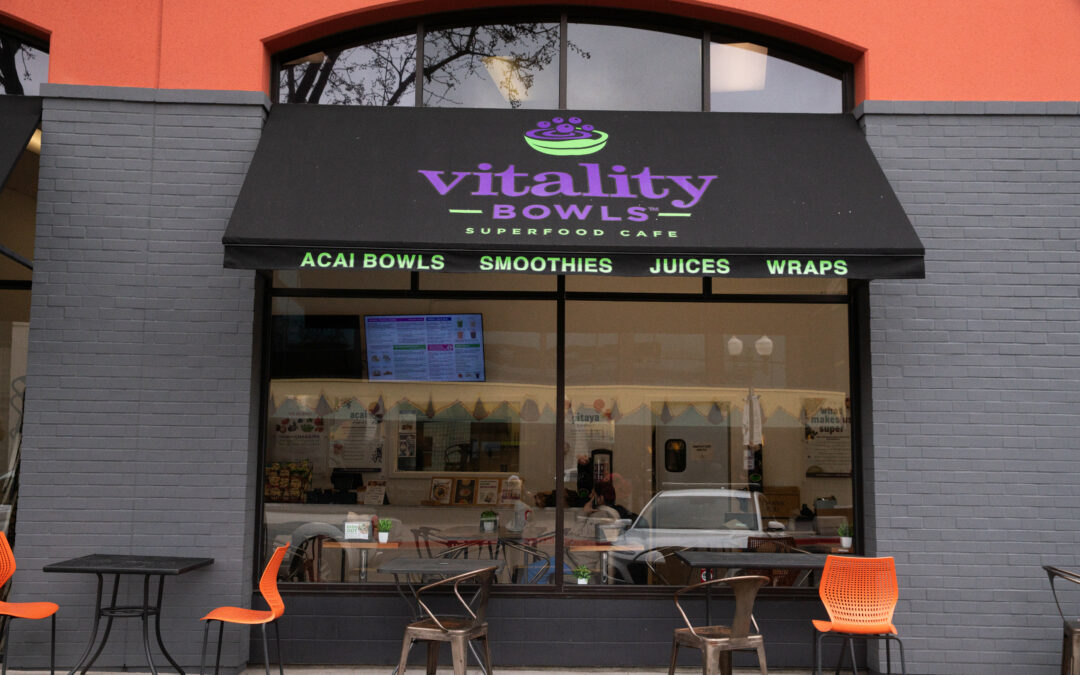
Fifteen years after opening its first café, Vitality Bowls has grown from a single Bay Area location into a superfood franchise serving more than 70 communities nationwide. That expansion reflects years of menu innovation, franchise development and adapting to changing consumer preferences.
Roy and Tara Gilad founded Vitality Bowls in 2011, opening the first café in San Ramon, California, with the goal of making nutritious, allergy-friendly food more accessible. Since then, the menu has expanded, new ways to reach guests have emerged and a franchise system has taken shape to support local ownership.
As Vitality Bowls celebrates its 15th anniversary, its history offers a closer look at the decisions and developments that have shaped the franchise opportunity.
Developing a Strong Franchise System
Vitality Bowls spent its early years establishing the concept in the Bay Area before expanding through franchising. Following the first café in San Ramon, additional locations opened in Pleasanton and Walnut Creek, providing valuable experience operating in different settings.
As interest grew beyond these original communities, franchising began in 2014. This transition required developing resources to help new owners introduce the concept to their markets while maintaining the standards established at the original cafés.
Today, franchise owners receive support across site selection, café design, construction, initial training and ongoing operations. These resources help owners navigate the development process and manage their businesses while delivering a consistent guest experience.
Adapting the Menu to Changing Guest Preferences
A signature product can establish a restaurant’s identity, but guest expectations rarely stay the same. Acai remains central to Vitality Bowls, with more than 15.5 million bowls sold nationwide since 2011, including 973,703 in the past year alone.
As the fast casual industry has evolved, opportunities have emerged to serve different dining occasions while maintaining a focus on superfoods. In 2024, Vitality Bowls launched Harvest Kitchen, a virtual restaurant brand offering heartier, savory options such as salads, wraps and grain bowls. Integrated into existing Vitality Bowls cafés, Harvest Kitchen gives franchise owners an additional revenue opportunity while providing guests with more dining options.
The introduction of Harvest Kitchen also reflects growing interest in functional foods and high-quality ingredients. By offering a distinct dining experience alongside its signature acai bowls and smoothies, Vitality Bowls has expanded its reach while maintaining the nutritional focus that shaped its original concept.
Making Convenience Part of the Guest Experience
Guests expect convenience that extends beyond ordering at the counter. Digital ordering, delivery and loyalty programs have become important ways for restaurants to connect with customers and encourage return visits.
Vitality Bowls has responded by offering more ways to order and stay connected, including its app and loyalty program. These options make it easier for guests to engage beyond an in-person café visit.
In 2025, 22% of systemwide orders came through the loyalty program, which welcomed 24,264 new members and generated more than 368,000 orders throughout the year.
These results demonstrate guest engagement and highlight opportunities for franchise owners to strengthen relationships with local customers and encourage repeat visits. Alongside the expanded menu, these digital tools reflect an ongoing effort to adapt to changing consumer expectations.
Expanding Through Local Franchise Ownership
Franchise expansion has centered on bringing nutritious, allergy-friendly food to more communities through owners who share the founding mission. Vitality Bowls seeks franchisees who understand the concept, are passionate about healthy living and want to build meaningful connections with local guests.
The franchise support team assists owners through site selection, training and ongoing operations as they prepare to introduce their cafés to new communities. This approach combines the resources of an established franchise system with the local involvement of individual owners.
Expansion continued in 2026 with new café openings in Wayne, New Jersey, Charlotte, North Carolina and Prosper, Texas. These openings included the third New Jersey café and second Charlotte-area location, reflecting continued development in existing markets. Additional locations are also in development as Vitality Bowls works with franchise owners to bring its superfood café concept to more communities.
Building on 15 Years of Franchise Development
Vitality Bowls enters its next chapter with an established franchise system, an expanded menu and 15 years of operating experience. Although the business has evolved considerably since 2011, the commitment to nutritious, allergy-friendly food that inspired the original café remains central to its identity.
Looking ahead, continued franchise development, menu innovation and owner support will guide the next phase of expansion. With additional locations in development, Vitality Bowls is focused on reaching new communities while strengthening its presence in existing markets.
FAQs
When was Vitality Bowls founded?
Roy and Tara Gilad founded Vitality Bowls in 2011 after discovering their daughter’s severe food allergies. The first café opened in San Ramon, California, and the brand began franchising in 2014.
What type of healthy fast casual restaurant is Vitality Bowls?
Vitality Bowls is a superfood café known for acai bowls and smoothies. In 2024, the company introduced Harvest Kitchen, a separate virtual restaurant brand offering savory meals such as salads, wraps and grain bowls through existing café locations.
How has Vitality Bowls evolved as a wellness franchise?
Vitality Bowls has expanded into more than 70 communities, developed franchise support resources, introduced Harvest Kitchen and added digital ordering and loyalty options to meet changing guest expectations.
How does Vitality Bowls support franchise owners?
The brand provides support across site selection, training, marketing and day-to-day operations to help owners develop and manage their cafés.
Where is Vitality Bowls growing in 2026?
Vitality Bowls opened new cafés in New Jersey, North Carolina and Texas, with additional locations in development across new and existing markets.
Recent Comments